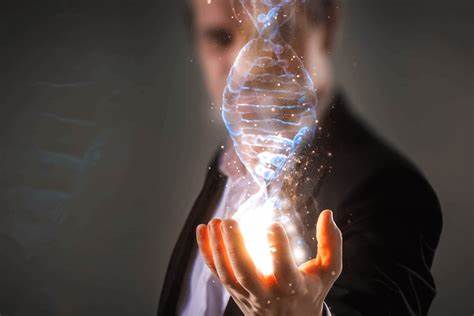
The human body is not a static machine. It is a dynamic, adaptive system influenced by movement, rest, nutrition, environment, attention, emotion, and relationship.
A wider model of wellbeing
Modern research into neuroplasticity and epigenetics has changed how we think about adaptation. At the same time, traditional practices—from breathwork and meditation to herbal traditions and energy-based approaches—continue to shape how people understand healing. Some approaches have stronger evidence than others; all health claims deserve careful evaluation.
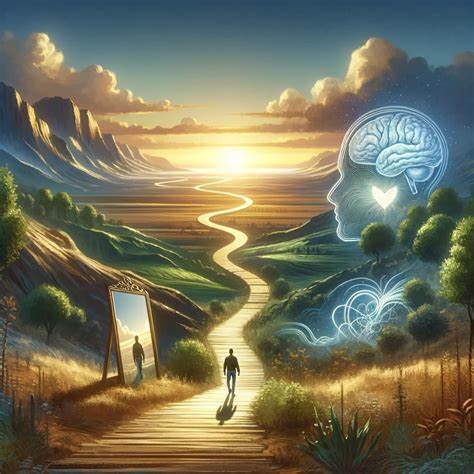
This path explores practical tools for vitality and resilience without treating exploration as medical advice. It asks how physical, emotional, and mental patterns interact—and how small, repeatable practices may support meaningful change.
Body, mind, and environment
Biohacking is often presented as technology and optimization. A grounded view starts with sleep, stress regulation, movement, nourishing food, social connection, and time in nature. Newer interventions can then be considered in light of evidence, risk, cost, and individual need.
Educational resources can support informed questions, but they do not replace qualified medical care. Be especially cautious with claims of cures or treatments that ask you to stop prescribed care.
Emotional and energetic dimensions
Many traditions describe healing as more than symptom removal. Practices involving intention, visualization, sound, or subtle energy can be explored as personal experiences while keeping scientific claims separate from metaphor and belief.